
How QR Menus Help Restaurants Improve Customer Experience
QR menus reduce wait times, improve accuracy, and boost revenue. Learn how restaurants in Kota use QR codes to enhance customer experience & operations.
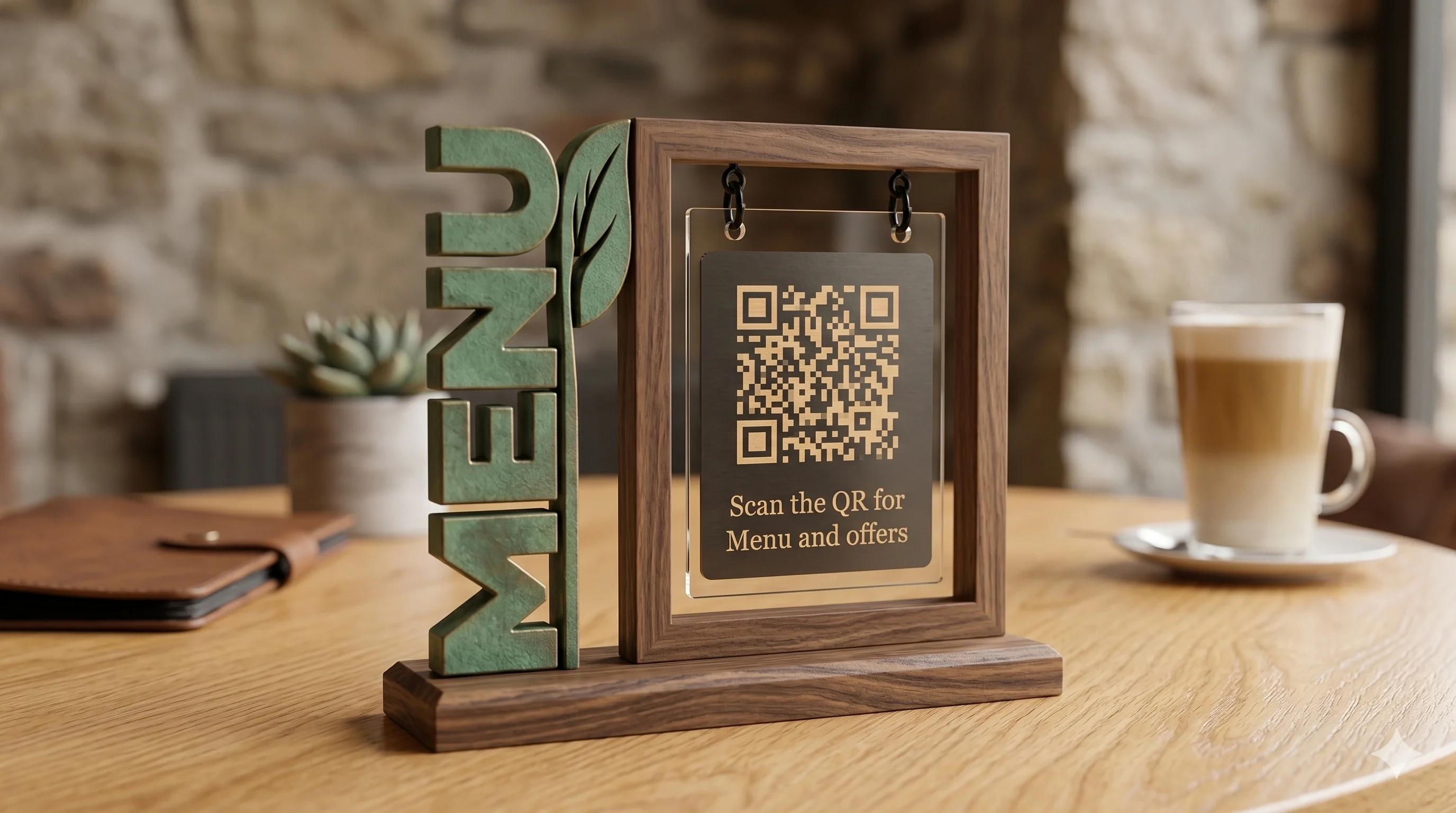
Restaurants in Kota and across India transform customer dining experiences through QR code menus. This technology reduces several common points of friction in restaurant operations - from menu access to order processing. At Webino Solutions, we help restaurants implement QR Menus that enhance guest satisfaction and streamline operations.
The Problem With Traditional Menus
Physical menus create blockage. Guests often have to wait for the staff to deliver them, pages traps grease stains, printing costs rise seasonally, and updates require reprinting. Menus contain dishes which the restaurantinstead of today's may lead to customer frustration Staff spend time explaining unavailable dishes rather than serving.
QR menus solve these problems instantly. A single scan connects diners directly to your current offerings.
What Are QR Menus?
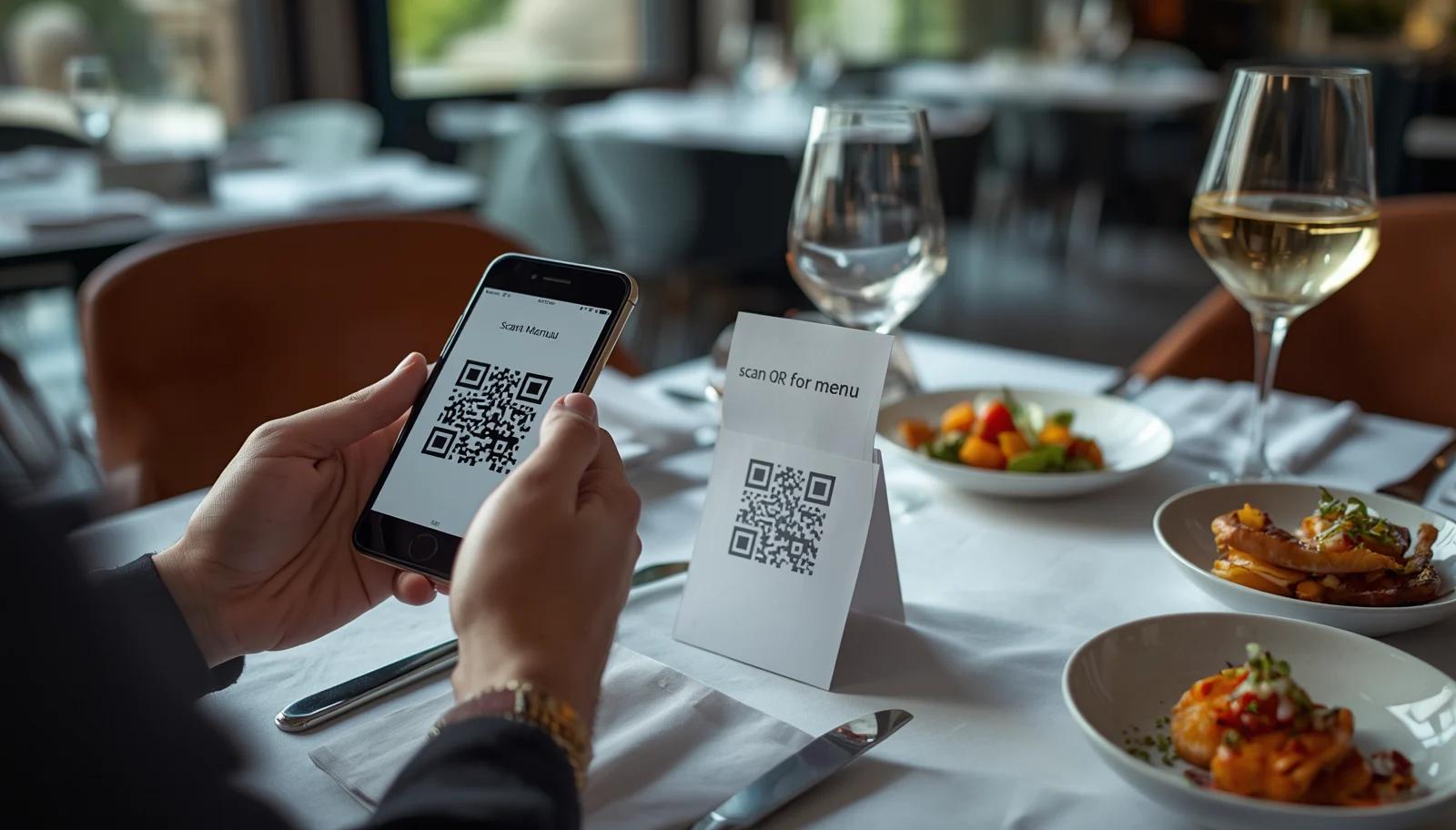
A QR menu is a digital menu accessed by scanning a quick-response (QR) code, usually placed on tables, entry displays, or receipts. The code links to an online menu on the restaurant’s website or a third-party platform. Customers view menu items on their phones, select them, and often complete orders without calling the staff.
This simple innovation allows far better customer satisfaction.
5 Ways QR Menus Improve Customer Experience
1. Faster Ordering and Reduced Wait Times
Customers scan, browse, and order within seconds. Restaurants may experience increased order values through better menu presentation. Staff no longer hand out printed menus or answer repetitive questions about availability. Tables turn faster, and peak-hour blockages disappear.
2. Real-Time Menu Updates
Physical menus become outdated the moment they're printed. QR menus update instantly. If an ingredient runs out at 7 PM, you can remove it from the digital menu in seconds. Seasonal specials appear immediately. Price adjustments reflect fuel, ingredient, and labor costs without reprinting costs. Customers always see accurate information.
3. Personalized Browsing Experience
Digital menus display high-quality photos, detailed descriptions, and nutritional information. Dietary restrictions (vegan, gluten-free, allergies) appear as searchable filters. Customers spend time making informed choices rather than guessing from vague names. Personalization increases satisfaction and reduces order errors.
4. Contactless and Hygiene-First Operations
QR menus eliminate shared physical materials. After the COVID-19 pandemic, customers demand touchless interactions. A scan-to-order workflow minimizes staff-guest contact, reducing perceived health risks. Restaurants in Kota that adopted QR menus report increased guest trust and repeat visits.
5. Upselling and Revenue Growth
Digital menus highlight high-margin items, bundle offers, and add-ons through strategic placement and visual design. Customers scrolling through drinks and desserts on their phones encounter suggestions. A well-designed QR menu increases average check size by 8–15%, directly boosting revenue.
Operational Benefits for Restaurant Owners
Beyond customer experience, QR menus streamline backend operations:
- Cost Savings: Eliminate printing, storage, and replacement costs. A 50-table restaurant printing menus spends ₹5,000–₹10,000 annually; QR menus cost ₹500–₹2,000 annually.
- Data Insights: Track which dishes customers view, which they order, and which they ignore. This data guides inventory, pricing, and menu engineering.
- Inventory Management: Link your QR menu directly to your POS system. When stocks run low, items disable automatically, preventing order errors and customer disappointment.
- Staff Training: Reduce staff reliance on menu memorization. New employees onboard faster when menus are always accurate and accessible.
Local Implementation in Kota Restaurants
Kota's hospitality sector benefits uniquely from QR menus. The city's student population demands quick, affordable meals. QR menus reduce wait times during peak lunch hours (12–2 PM), a critical competitive advantage in Kota's crowded restaurant market.
Restaurants near Kota's educational institutions report that QR menus appeal to budget-conscious students who appreciate seeing prices upfront. Quick ordering speeds up table rotation, serving more customers during lunch rushes.
For fine-dining establishments in Kota, QR menus convey modernity and operational excellence. Guests perceive tech-forward restaurants as more professional and attentive.Restaurants adopting QR menus often combine them with custom web development services for better customer experience.
How to Implement QR Menus Successfully
Step 1: Choose Your Platform Select a QR menu provider. Ensure the platform is mobile-responsive and fast-loading.At Webino Solutions,we offer custom QR menu services to restaurants.
Step 2: Design Your Digital Menu Photograph all dishes professionally. Write clear descriptions. Include prices and dietary labels. Organize categories logically. Test navigation on phones.
Step 3: Generate and Print QR Codes Create QR codes and print them on table tents, display stands, or window decals. Test codes in-restaurant to confirm they scan reliably from various angles and lighting conditions.
Step 4: Train Your Staff Brief staff on the new workflow. Ensure they know how to help guests who struggle with scanning or ordering digitally. Monitor the first week closely.
Step 5: Monitor and Iterate Track which items customers view and order. Adjust photography, descriptions, and placement based on data. Update menus weekly with seasonal offerings and promotions.
Common Concerns and Solutions
Will customers feel depersonalized? No. QR menus complement human service; they don't replace it. Staff spend less time on administration and more time on hospitality, creating a warmer experience.
Do all guests have smartphones? Most do. For those without phones or comfort scanning, print a backup menu or offer staff-assisted ordering. Hybrid approaches work best.
Is the technology reliable? Yes, if you choose a stable platform and test regularly. Poor internet connectivity won't affect customer experience if your QR menu platform works offline or caches data.
What about elderly or tech-averse customers? Train staff to assist. Many restaurants in Kota print a few physical menus at tables alongside QR codes, creating a smooth transition.
Measuring Success
Track these metrics after implementing QR menus:
- Table Turn Time: Time from seating to order placement. Target: 15% reduction.
- Average Check Size: Revenue per guest. Target: 8–12% increase.
- Order Accuracy: Reduction in remakes due to misunderstandings. Target: 20% reduction.
- Customer Satisfaction: Use surveys or reviews to measure perceived service quality. Target: 4.5+ star rating.
- Staff Efficiency: Time spent on menu-related tasks. Target: 30% reduction.
The Future of QR Menus
QR menus are evolving. Voice ordering through phone apps, augmented reality menu previews, and AI-powered recommendations will define the next wave. Early adopters in Kota gain competitive advantage today and position themselves for tomorrow's innovations.
Conclusion
QR menus transform restaurant operations and customer satisfaction. They eliminate wait times, ensure menu accuracy, enable personalization, and provide valuable operational data. For restaurants in Kota and beyond, QR menus represent a low-cost, high-impact upgrade to the dining experience.
Start small: test a QR menu in one section of your restaurant. Gather feedback. Refine. Scale. The technology is ready. Your customers are ready. The only question is whether you're ready to move forward.
Learn how to get more customers for your restaurant
FAQs
Need help with your digital presence?
We build websites, run SEO, and deploy AI solutions for businesses across India.